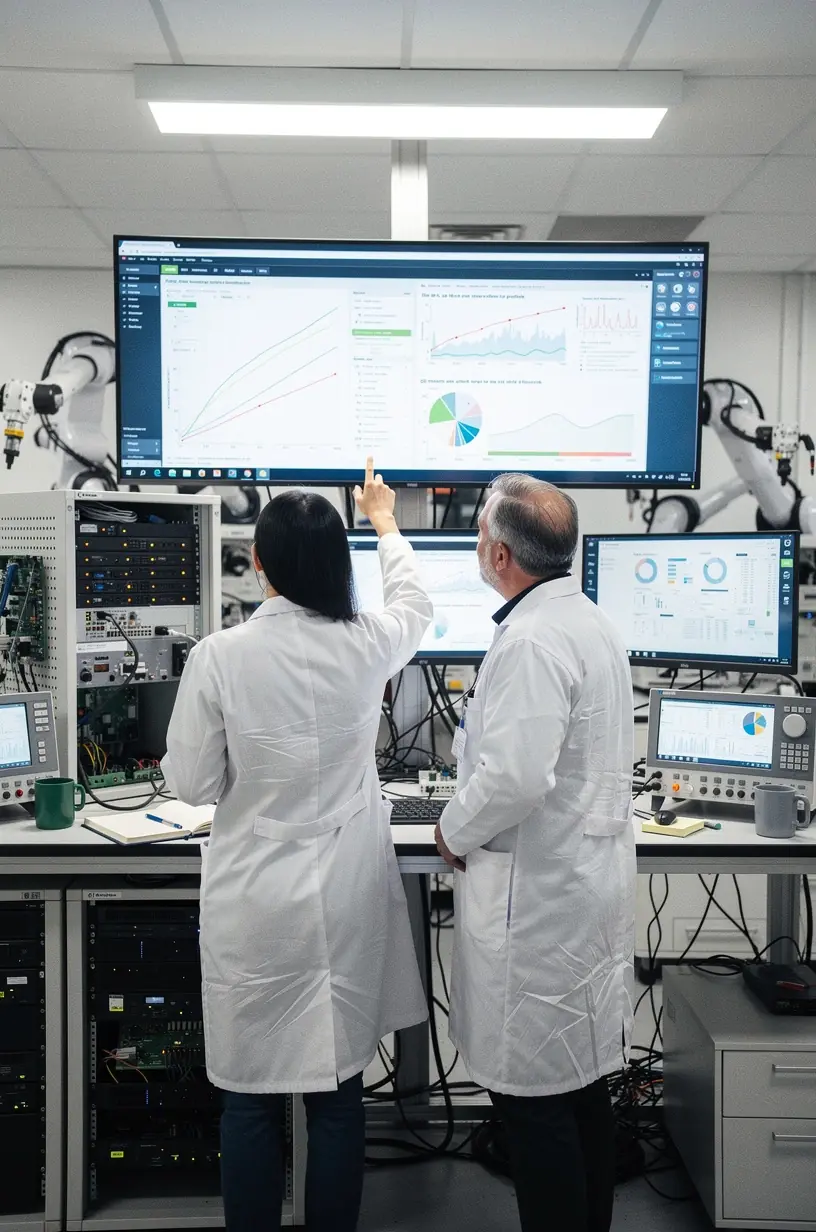
Integrating Automation with Existing Business Systems
As businesses increasingly seek efficiency, the integration of automation into existing systems has become a focal point. This article explores how such integrations can enhance operational efficiency while addressing common challenges.
Understanding the Basics of Integration
Integrating automation with existing business systems typically involves aligning automated processes with current workflows. According to industry experts, successful integration can lead to improved data accuracy and reduced operational costs. A study by McKinsey & Company indicated that companies that adopt automation effectively can see productivity enhancements of 20-30% in comparable settings.

"The integration of automation into existing frameworks is not just about technology; it’s about rethinking processes and workflows to maximize efficiency."
Challenges of Integration
While the benefits are clear, many organizations face challenges when integrating automation. Some common issues include:
- Resistance to Change: Employees may be reluctant to adapt to new systems, fearing job displacement or a steep learning curve.
- Compatibility Issues: Existing software may not easily communicate with new automated solutions, requiring additional resources to bridge the gaps.
- Initial Investment: While automation can yield long-term savings, the upfront costs of integration can be daunting for some businesses.
Best Practices for Successful Integration
To ensure a smooth integration process, consider the following best practices:
- Conduct a Needs Assessment: Understand the specific needs of your business and how automation can address them. This typically involves gathering insights from various stakeholders.
- Choose Compatible Solutions: Research automation solutions that are known for their compatibility with existing systems. According to research, selecting tools that align with current infrastructure can reduce integration time.
- Provide Comprehensive Training: Facilitate training sessions to help employees become comfortable with new processes. Studies show that organizations that invest in employee training experience smoother transitions and higher adoption rates.
The Role of Continuous Evaluation
Once integration is complete, ongoing evaluation is crucial. Monitoring performance metrics and gathering feedback from users can identify areas for further improvement. In many cases, companies report that iterative refinements can yield additional efficiency gains over time.
"Continuous evaluation not only enhances operational efficiency but also fosters a culture of adaptability and growth."
Conclusion
Integrating automation with existing business systems presents both challenges and opportunities. By understanding the basics, acknowledging potential hurdles, and following best practices, businesses can effectively enhance their operations. While the journey may require time and commitment, the potential for improved efficiency and productivity can make it a worthwhile endeavor.
Learn More