The Role of Automation in Retail Inventory Management
In today's fast-paced retail environment, effective inventory management is critical for success. Automation has emerged as a key player in enhancing efficiency and accuracy in inventory processes. This article explores how automation can significantly improve inventory management in retail settings.
Understanding the Basics of Automation in Inventory Management
Automation in inventory management involves the use of technology to streamline processes such as stock tracking, order processing, and inventory forecasting. According to a report by Grand View Research, the global inventory management software market is expected to grow substantially, indicating a strong trend towards automated solutions. Experts suggest that incorporating automation can reduce manual errors and increase operational efficiency.
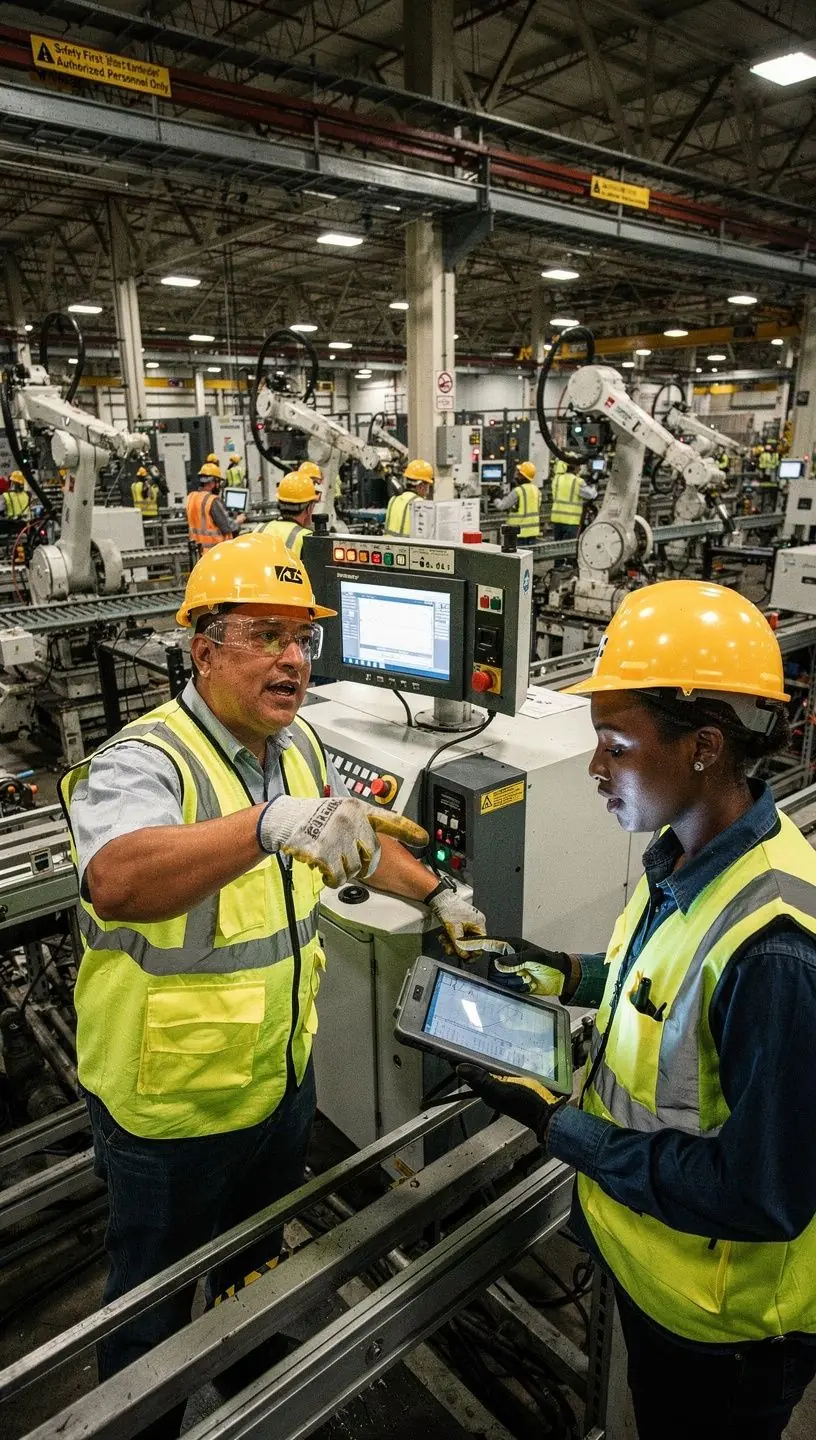
"Automation in inventory management can lead to cost reductions of up to 20% in many retail contexts." - Industry Report
Benefits of Automation in Retail Inventory Management
- Improved Accuracy: Automated systems typically achieve a higher level of accuracy than manual tracking. Research indicates that automated inventory systems can reduce discrepancies by up to 30%.
- Real-time Inventory Tracking: Automation allows for real-time tracking of inventory levels, which helps retailers respond quickly to stock shortages or surpluses.
- Enhanced Forecasting: Many automated systems offer analytics capabilities that help predict future inventory needs based on historical data. This can improve order fulfillment rates and minimize overstock situations.
Challenges and Limitations of Automation
While automation offers numerous advantages, it is essential to acknowledge its limitations. Implementing an automated inventory system typically requires investment and can involve a learning curve for staff. Businesses may find that they need to dedicate time to training employees on new software, which can take several weeks.
Additionally, automation works best when the underlying processes are well-defined and optimized. If a retail operation has inefficient manual processes, simply adding automation may not yield the expected benefits.
Conclusion
In summary, automation plays an increasingly vital role in retail inventory management by enhancing accuracy, enabling real-time tracking, and improving forecasting capabilities. However, businesses considering automation should be prepared for the initial investment and the required time for staff training. By taking a measured approach, retailers can harness the potential of automation to achieve significant efficiency improvements over time.